A B2B manufacturer with 200 distributors across three regions isn't going to call each one by hand every month. But most still try to, or more precisely, most don't, and the gap shows up in stale accounts, missed reorders, and dealer relationships that quietly go cold. AI calling for manufacturing closes that gap. Topcalls runs structured B2B outreach calls at $0.35 per minute, around the clock, with sub-500ms voice response and instant handoff to a human whenever a conversation needs it.
Key Takeaways
- AI voice agents automate order-status checks, reorder prompts, and dealer follow-up calls at $0.35/min, no extra headcount required.
- Topcalls processes 63,000+ AI calls daily with sub-500ms voice response across 29+ languages.
- Proactive reorder calls connect at 60%+ higher rates than standard email follow-up campaigns run over the same accounts.
- A manufacturer can have AI dealer outreach running in under 15 minutes of setup.
- Contract renewals and first-time distributor onboarding still need a human rep on the call.
1. How Does AI Calling Help Manufacturers and Distributors?
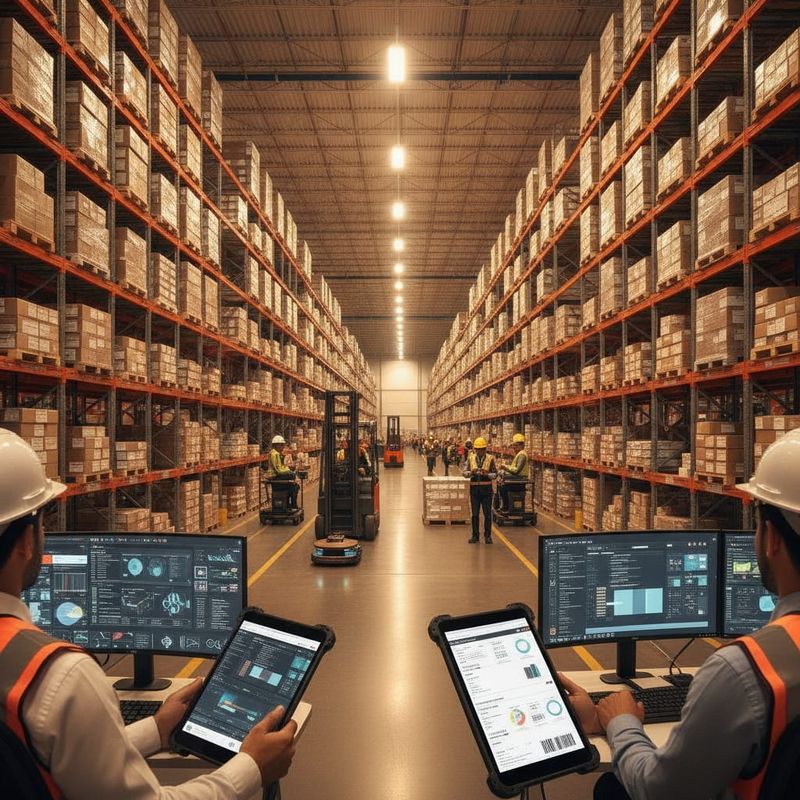
AI calling replaces the repetitive, structured B2B phone touchpoints that eat inside sales and customer success time. Manufacturers and distributors use it for order confirmations, reorder prompts, delivery alerts, dealer check-ins, and promotion announcements. The AI places the call, delivers the right information, captures the response, updates the CRM, and transfers to a human if the conversation needs it. Most calls don't need that transfer.
The volume math is what drives adoption. A team of five inside sales reps, working full days, might touch 200 accounts a month by phone. An AI system running in parallel touches all 200 in a morning, then runs again next month. No training ramp. No burned-out rep who stopped following up on account 150 because accounts 1 through 149 already wore them out.
Manufacturing and distribution have call types that fit AI almost perfectly: structured information, known recipients, predictable outcomes. Order status is the cleanest example. The distributor wants to know when their shipment arrives. The AI has the answer from your ERP. The call takes 45 seconds.
Most manufacturers start with order-status calls and reorder prompts, then expand into AI appointment setting for dealers and B2B account follow-up once they see the connect rate improve.
See what the numbers look like for your distribution network. Our AI calling ROI calculator works off your current call volume and close rates.
2. Can AI Handle Order-Status Calls?
Order-status calls are the cleanest fit for AI in manufacturing. The information is structured, the contact is known, and the message is predictable. Topcalls pulls order data from your ERP or CRM, places the outbound call, and delivers the status update directly. If the distributor asks something the AI can't answer, it transfers to a live rep. Most exchanges take under 90 seconds.
Connect your order data through Topcalls' native integrations, which support Salesforce, HubSpot, Pipedrive, and custom API connections. Once wired, every status change in your system triggers an outbound call to the relevant distributor. They get a direct voice update instead of another email that might sit unopened for two days.
Salesforce's State of Sales research consistently finds that B2B buyers prefer phone contact for time-sensitive operational updates, especially when a delay could affect their own fulfillment chain. Order status fits exactly that profile. A voice call resolves the question in 60 seconds; an email thread takes hours.
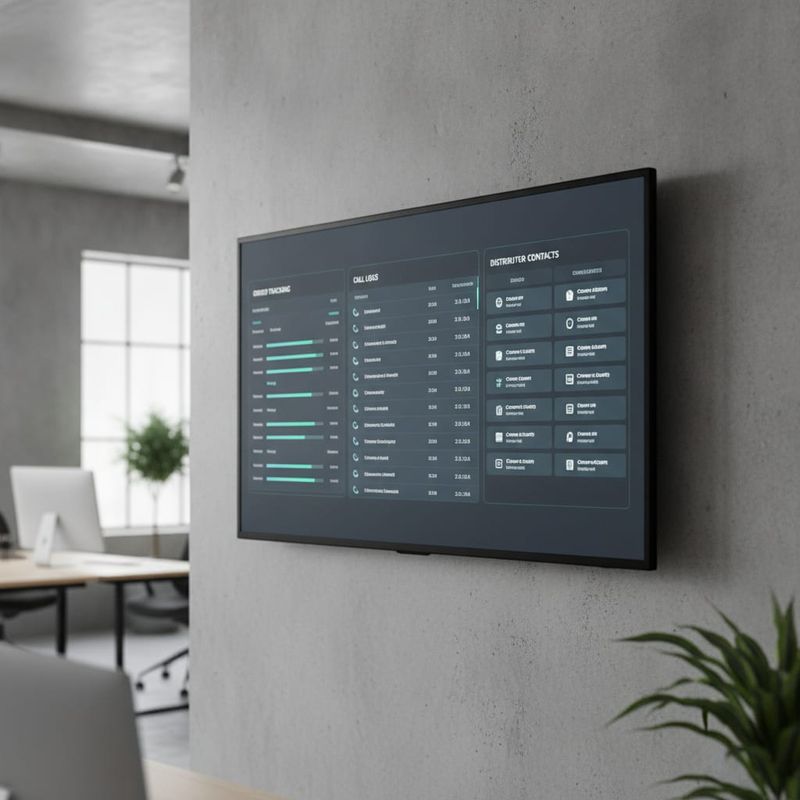
Topcalls agents run 24/7. A distributor in a different timezone gets their update at a reasonable local hour, not whenever a rep in your office finally works through the day's call list.
3. Does AI Prompt Reorders Automatically?
Yes. Topcalls triggers reorder calls based on purchase history, lead time windows, or CRM signals you configure. The AI contacts the distributor at the right point in their buying cycle, confirms the inventory situation, and either logs a reorder confirmation or routes to a sales rep who closes it. Proactive reorder calls through AI connect at 60%+ higher rates than email follow-up sequences run against the same accounts.
The timing advantage is what makes this work. Email reorder campaigns require the contact to open the message, read it, and decide. A voice call from a Topcalls agent gets a direct answer in the moment. And because the agent places calls at 8 a.m. local time in any timezone, a US manufacturer can run reorder campaigns across 29+ countries simultaneously, without a team of regional reps.
Smart retry logic handles the cases where the distributor doesn't pick up. Busy signal: Topcalls retries within minutes. No answer: retries a few hours later. Still unreachable: retries the following day. The campaign runs until the contact is reached or the configured window closes.
Topcalls' AI voice agents also update your CRM mid-call, so every reorder confirmation logs automatically. Your team sees which accounts are reordering, which went quiet, and which need a human follow-up.
4. How Does AI Support a Dealer Network?
AI calling keeps dealer networks on a consistent outreach cadence that most manufacturer sales teams can't maintain manually. Monthly check-in calls, promotion announcements, training event invitations, and inventory alerts all run through the same AI agent. Topcalls supports 29+ languages natively, so a manufacturer with dealers across North America, Europe, and Latin America runs one campaign that reaches every territory at local hours, without regional staffing.
Here's how dealer network call types split between AI and human:
For multilingual dealer networks, the language support makes a real operational difference. A distributor in Mexico responds better in Spanish. A dealer in Germany wants German. Topcalls handles both, plus 27 other language variants, without additional tools or regional phone staff.

The National Association of Manufacturers tracks a US manufacturing sector that operates through extensive distributor and dealer networks. At scale, those relationships require consistent touchpoints that phone teams can't maintain without automation. AI calling runs the cadence that keeps accounts warm, flags the ones going quiet, and routes the urgent ones to a rep.
5. Which B2B Calls Should Stay Human?
AI handles volume and structure. Humans handle stakes and nuance. Contract renewals with complex terms, first-time distributor onboarding, serious unresolved complaints, and calls where the relationship itself is fragile need a real rep. The practical cutoff is straightforward: if the call outcome is predictable and the information is structured, AI is the right tool. If it requires judgment, negotiation, or trust-building from scratch, keep a human on it.
Calls that should stay with a human rep:
- Contract negotiations and renewals: pricing flexibility, long-term terms, and exclusivity discussions need a sales lead, not an AI agent.
- First-time distributor onboarding: the first call sets the tone for the entire relationship. A human rep builds that foundation far better than an AI agent can.
- Serious complaints and escalations: a distributor upset about a late shipment or quality issue needs a person. Topcalls flags these accounts for immediate human follow-up and can transfer mid-call.
- Key accounts: your top 10-20 dealers by revenue likely expect a human on the line. AI works best across mid-market accounts and the long tail of your distribution list.
The right model for most manufacturers is a mixed one. AI handles high-frequency, structured calls across the dealer network. Human reps focus on accounts and conversations where personal judgment changes the outcome. That split doesn't shrink the need for good salespeople. It gives them less noise to wade through before they get to the calls that actually need them.
McKinsey's B2B sales research consistently finds that buyers prefer automated, digital channels for structured transactions, while reserving rep interactions for complex decisions. That distinction maps directly to manufacturing distribution: AI for the routine volume, humans for the relationship work that moves the needle.
Manufacturing and distribution run on relationships. But most of the maintenance work in those relationships is structured, repetitive, and ready to automate. AI calling handles the volume. Your sales team handles the calls that actually need them.
Book a strategy call at topcalls.ai/contact and we'll map out which calls in your distribution operation are ready to hand off to AI today.
Frequently Asked Questions
Get AI calling tips in your inbox
No spam. One email per week with actionable sales automation tips.