Pest control is a phone business. A homeowner spots a wasp nest on Saturday afternoon and calls the first company that picks up. If you don't answer, your competitor does. Research from the home services industry shows 60% of pest control customers will call the next company on the list if their call isn't answered promptly.
AI calling for pest control changes that math. An AI voice agent answers every call in under 500 milliseconds, asks the right qualification questions, and books the job directly into your dispatch calendar. It handles calls at 2 a.m. on a Sunday, during a July heat wave when your phones won't stop ringing, and on every day your front desk can't keep up.
This guide covers how AI voice agents work in pest control, what they actually cost, where the revenue leaks are, and when to keep a human rep on the call.
Key Takeaways
- The average pest control company misses 22% of incoming calls; each unanswered lead is a lost recurring customer worth $120 to $300 per year
- Pest control leads contacted within 5 minutes of inquiry are 100x more likely to book than leads called back after 30 minutes, per Invoca research
- AI voice agents (Topcalls) answer every inbound call in under 500ms, 24/7, with no hold time, no voicemail, and no missed weekend leads
- Topcalls runs AI calling campaigns at $0.35/minute all-inclusive, with no per-seat fees, no answering-service markup, and no hidden minimum
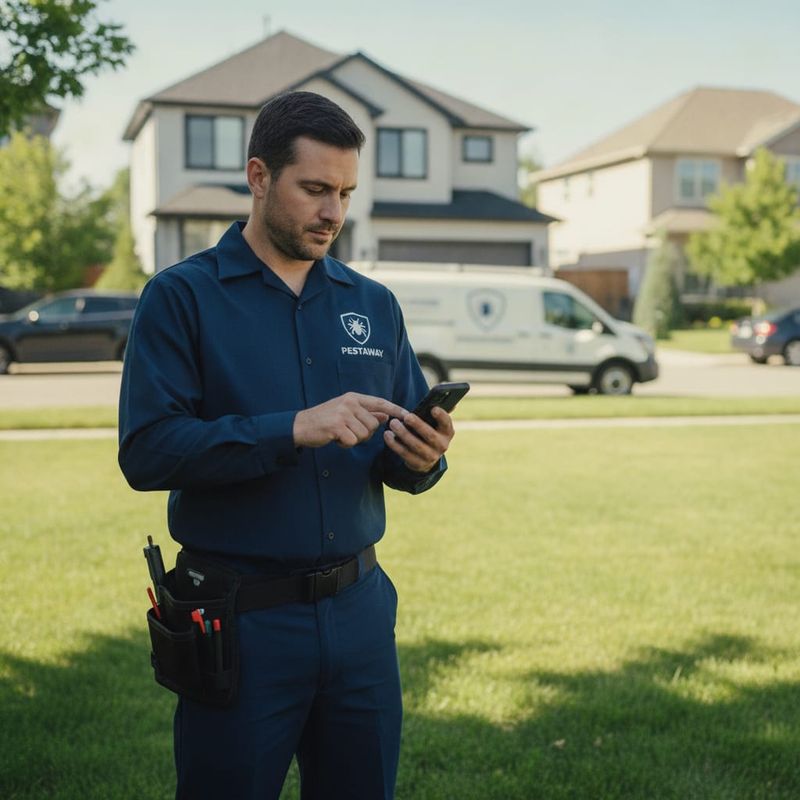
- Pest control call volume runs 2 to 3 times above baseline in summer; AI scales the phone operation without adding headcount or overtime costs
1. How Does AI Calling Help Pest Control Companies?
AI voice agents handle the four biggest call problems in pest control: unanswered inbound leads, after-hours routing, summer volume spikes, and follow-up on open quotes. The agent picks up instantly, qualifies the caller on pest type, urgency, and address, then books a service window or routes complex calls to a technician. No hold music, no voicemail. See how AI voice agents for pest control handle real-world call volume at scale.
The average pest control company misses 22% of incoming calls. In peak season, June through August, call volume runs 2 to 3 times above the winter baseline. A front desk that handles 30 calls a day in March may face 80 calls a day in July. Human staff hits its limit. The phone starts going to voicemail.
AI voice agents don't have a peak-season ceiling. Topcalls processes 63,000+ AI calls daily across its platform, scaling with demand rather than with headcount. For a pest control operation, every inbound lead gets answered in real time, even when the whole team is out on jobs.
2. Can AI Book Pest Control Jobs Automatically?
Yes. An AI voice agent can qualify the caller, collect the pest description and property address, check technician availability for open service windows, and confirm the appointment, all in a single two-minute conversation. The booking appears in your CRM and dispatch software before the customer hangs up. No callback needed, no manual scheduling step in between.
The conversation flow for a pest control booking call typically runs: greeting and pest identification, property type and urgency level, address and preferred time window, appointment confirmation, and an automated follow-up text. Topcalls AI agents handle this across 29+ languages with native-sounding voices, which matters in bilingual markets where Spanish-speaking customers make up a large share of the inbound lead pool.

Traditional answering services take a message and stop there. AI agents close the loop on the spot. Topcalls integrates with Salesforce, HubSpot, and Google Calendar, so the booking lands in your system without a manual data-entry step. For the full picture on booking automation, see appointment setting for service businesses.
3. How Much Do Missed Pest Control Calls Cost?
A one-time pest control visit runs $250 to $300. But the real loss is the recurring customer. Quarterly maintenance plans run $120 to $300 per year, and the National Pest Management Association reports that recurring contracts make up 60 to 70% of revenue at well-run pest control operations. Miss the first call and you lose a customer for years, not just one job.
Run the math. A pest control company taking 40 inbound calls a day, missing 22%, loses about nine calls daily. At a 40% close rate, that's three or four lost bookings before lunch. At $275 per job, that's $800 to $1,100 in lost revenue, every day, through summer. A 2024 study analyzing 85 businesses across 58 industries found 62% of business calls go unanswered on average. Pest control's 22% miss rate is better than the industry average, but still a real and measurable revenue drain.
Want to see the exact numbers for your call volume? The Topcalls ROI calculator takes your current call volume, miss rate, and average job value and shows you the monthly revenue gap. It takes about 90 seconds.
4. Does AI Follow Up on Recurring Pest Control Service?
Yes. Topcalls AI agents run outbound reminder campaigns automatically. For a quarterly pest control contract, the AI calls the customer before the next service window opens, confirms the appointment, and reschedules if needed. If the call goes to voicemail, it retries within hours. Busy signal, it retries within minutes. Your recurring revenue stays on schedule without a single manual reminder call.
The same system handles quote follow-up. When a customer asks for a termite inspection quote but doesn't book on the first call, an AI agent follows up one, three, and seven days later with a short check-in. Most customers don't choose a competitor. They just forgot to call back. A follow-up sequence catches them. For the full breakdown, see follow-up automation for pest control leads.
Recurring service is where pest control margins are strongest. One customer on a quarterly maintenance plan is worth $120 to $300 per year, year over year. AI follow-up is how you protect that retention without dedicating staff hours to it.
5. How Fast Can AI Respond to a New Pest Control Lead?
Topcalls answers inbound calls in under 500 milliseconds. That's the gap between when the call connects and when the AI says hello. For outbound callbacks triggered by a web form or a lead submission, campaigns can fire within seconds of the inquiry arriving. Speed at this level isn't a nice-to-have. It's the variable that decides who books the job.
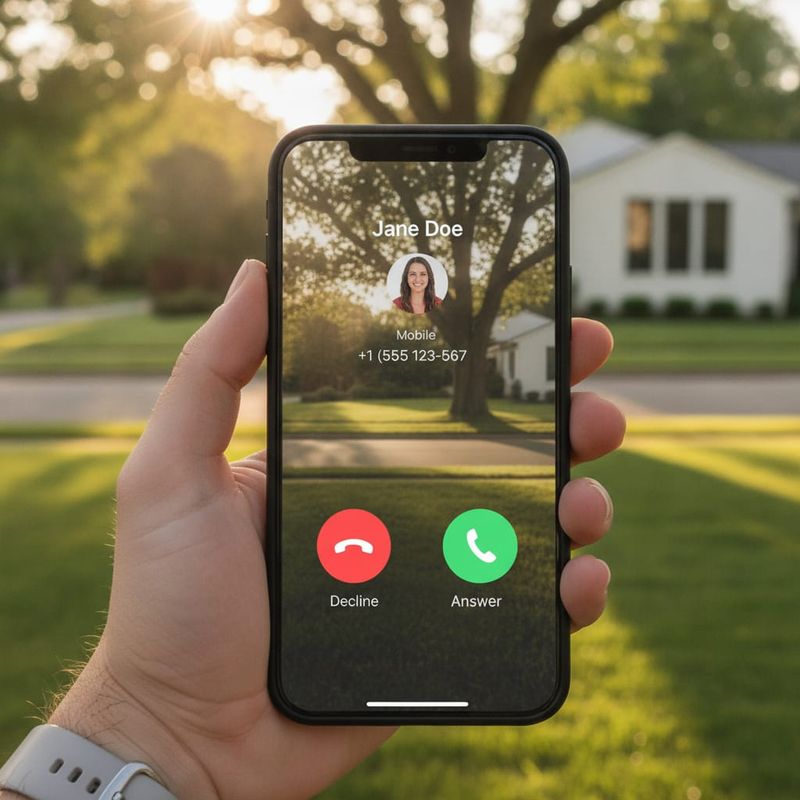
Per Invoca research, pest control leads contacted within 5 minutes of inquiry are 100x more likely to book than those reached after 30 minutes. A customer who just found ants in their kitchen is searching, calling, and comparing companies at the same time. The first company to pick up gets the job. The rest get a voicemail tag the customer never checks.
After-hours speed matters just as much. Pest emergencies don't follow a 9-to-5 schedule. Rodent sightings, wasp nest discoveries, and bed bug scares tend to happen evenings and weekends, which is exactly when most pest control front desks are closed. An AI agent that picks up at 10 p.m. on a Friday books a job your competitor's voicemail will never see.
6. When Does AI Calling Not Fit Pest Control?
AI voice agents handle inbound booking and outbound follow-up well. But there are situations where a human rep still wins. Knowing the boundary saves you from deploying AI on calls it can't actually close.
- Large commercial bids. A restaurant chain or property management company asking for a multi-site service agreement needs a relationship call, not a booking script. Route these to your commercial sales team.
- Inspections requiring on-site assessment. Termite damage scoping, fumigation tents, and structural treatment need a licensed technician to see the property before any price or timeline can be set. AI can book the inspection appointment. It can't do the inspection.
- High-liability situations. A customer with a newborn asking detailed questions about chemical safety, or a caller with a severe pet allergy, deserves a human conversation with a licensed technician, not a booking script.
For standard residential bookings, recurring service reminders, and quote follow-up, AI calling delivers consistent results at a fraction of the cost of additional front desk staff. For anything requiring licensed judgment or relationship sales, keep a human in the loop.
Ready to Stop Missing Pest Control Leads?
A pest control company running 40+ inbound calls a day during summer isn't leaving small change on the table. At a 22% miss rate and $275 average job value, the daily revenue gap adds up fast, and that's before counting the recurring customers who never converted. Topcalls AI voice agents are live in 15 minutes, cost $0.35/minute all-in, and don't take sick days in July. Book a strategy call to see what the phone operation looks like once the AI handles the volume.
Frequently Asked Questions
Get AI calling tips in your inbox
No spam. One email per week with actionable sales automation tips.