Your SDR makes 50 calls today. An AI system running the same campaign makes 1,000. But most sales managers are still measuring both with the same KPIs, and that's the problem.
AI cold calling metrics look different from traditional outbound KPIs. Connect rate matters more. Talk time ratio becomes measurable at scale. Compliance score goes from optional to legally required. If you're still just tracking dials per rep and calls per hour, you're missing the signals that actually predict pipeline.
These 8 AI cold calling metrics give you a real picture of what's working, what needs fixing, and where your cost per meeting actually lands.
1. Connect Rate: The Baseline That Changes Everything
Connect rate measures what percentage of your dials reach a live person. For human SDRs on a cold B2B list, the industry average sits around 5.5%. Top teams with well-maintained data hit 10-12%.
With AI cold calling, the ceiling goes higher. Smart retry logic, call window optimization, and pre-qualified lists routinely push connect rates to 15-22% on the same prospect data. That's not a small gain. It's the difference between 55 connections per 1,000 dials and 220.
- Below 5%: Bad list. AI can't fix garbage data.
- 5-10%: Standard B2B range. Acceptable baseline to work from.
- 10-15%: Good targeting. Calling window is optimized.
- 22%+: Top-tier. Usually AI plus real-time intent signals.
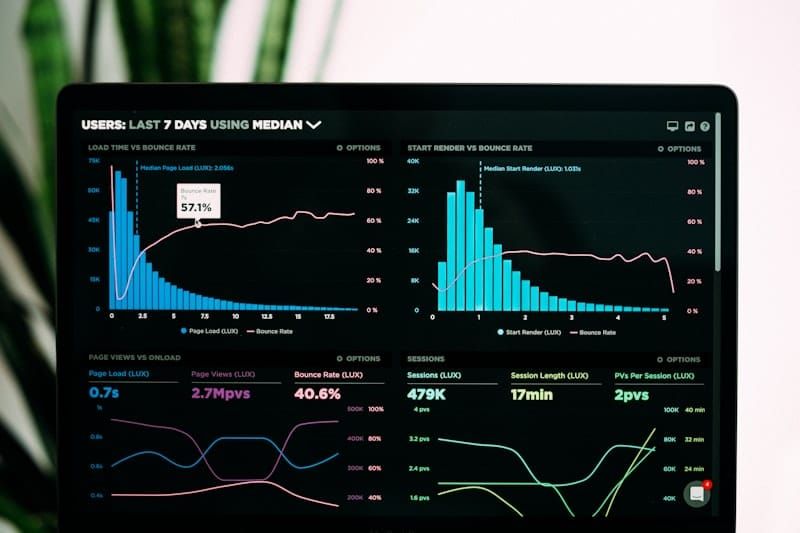
TopCalls processes 63,000+ AI calls daily. Teams with the highest connect rates are those using real-time analytics to identify when each prospect type is most likely to pick up. That data compounds over time.
2. Conversion Rate: Calls to Booked Meetings
This is the metric your VP of Sales actually cares about. Conversion rate measures how many total calls result in a booked meeting. Industry average for cold outbound: 2-3%. Top human SDRs with strong scripts and warm data reach 5-7%.
AI cold calling with personalized openers and smart follow-up logic pushes this to 3.6-6% for equivalent lists. That gap sounds small. It isn't. At 1,000 calls per day, moving from 2.5% to 5% is 25 extra meetings daily. Every single day.
Run your own numbers with the ROI calculator to see exactly what a 1-2% lift in conversion rate is worth at your actual call volume.
3. Talk Time Ratio: The Metric Nobody Tracks
Talk time ratio is how much of the call your agent spends speaking versus how much the prospect speaks. It turns out this single number predicts conversion rate more reliably than script quality alone.
Sales call analysis data consistently shows the optimal ratio for successful calls is about 43-57%: the rep or AI agent speaks 43% of the time, the prospect speaks 57%. Reps who over-talk, above 62% speaking time, close significantly fewer deals. The numbers are consistent across industries.
AI voice agents can be trained to hit this ratio consistently by balancing pitch content with discovery questions. Human reps can't match that consistency without intensive coaching. If your AI is talking more than 60% of the call, the script is too pitch-heavy. Trim it. Add open-ended questions.
4. Call Duration: The 80-Second Cliff
Unsuccessful cold calls end around 80 seconds. Successful ones average 5 minutes and 40 seconds. That gap is where most outbound campaigns live or die.
Two duration metrics worth tracking separately:
- Average duration of ALL connected calls: Track this over time. It should go up as AI targeting improves.
- Duration of calls that resulted in a meeting: If this drops below 3 minutes, the close is feeling forced.

At scale, even lifting the percentage of calls that cross the 2-minute mark by 10% adds dozens of real conversations to your pipeline daily. See the full setup for running 1,000 AI calls per day if you're not there yet.
Want to see what these numbers look like for your team? The ROI calculator lets you input your current connect rate and conversion rate, then shows your cost per meeting compared to AI-powered outbound.
5. Dials Per Day vs. Conversations Per Day
Every sales dashboard tracks dials. Almost none track conversations, which is the metric that actually predicts pipeline. The distinction matters more than most managers realize.
The average human SDR has 4.4 quality conversations per day. That number has dropped 45% since 2014 as voicemail, spam filters, and caller ID have made cold calls harder to complete. More dials don't fix this. Better targeting and qualification do.
AI cold calling reverses the trend by handling volume at the top of the funnel. Human reps receive only calls that already showed engagement. Target 6-8 quality conversations per SDR per day. Below that, the problem is usually qualification, not activity. AI-powered lead qualification filters this before it ever reaches your team.
6. Cost Per Qualified Meeting
This metric ends the AI vs. human SDR budget debate faster than any other. Run the math and the gap is hard to ignore.
A human SDR fully loaded costs around $70,000 per year (salary plus tools). At 50 calls per day, 21 working days per month, and a 4% meeting conversion rate, that's roughly 42 meetings per month, or $1,667 per meeting. An AI system running 1,000 calls per day at $0.35/minute with comparable conversion produces 840+ meetings per month at a fraction of that cost. The full breakdown with exact numbers is in our SDR cost vs. AI sales agent comparison.
7. Meeting Show Rate
Getting a prospect to book a meeting is half the job. Show rate measures whether they actually show up. Industry average for cold-call-booked meetings sits at 70-80%.
AI-qualified meetings often land at or above 80% because the prospect was more carefully screened before the calendar invite went out. The qualification bar goes up, so the no-show rate goes down. Three metrics worth adding to your show rate tracking:
- Show rate by lead source: Compare AI-booked vs. human-booked vs. inbound. The gap is usually instructive.
- No-show reason tracking: Ghosted, rescheduled, or cancelled? Different causes need different fixes.
- Automated follow-up impact: Teams using automated follow-up sequences after missed meetings recover 15-20% of no-shows. Track this as a separate metric.
8. Compliance Score: Non-Negotiable Since 2024
This is the metric no one tracked two years ago. Teams ignoring it now are taking on real legal risk.
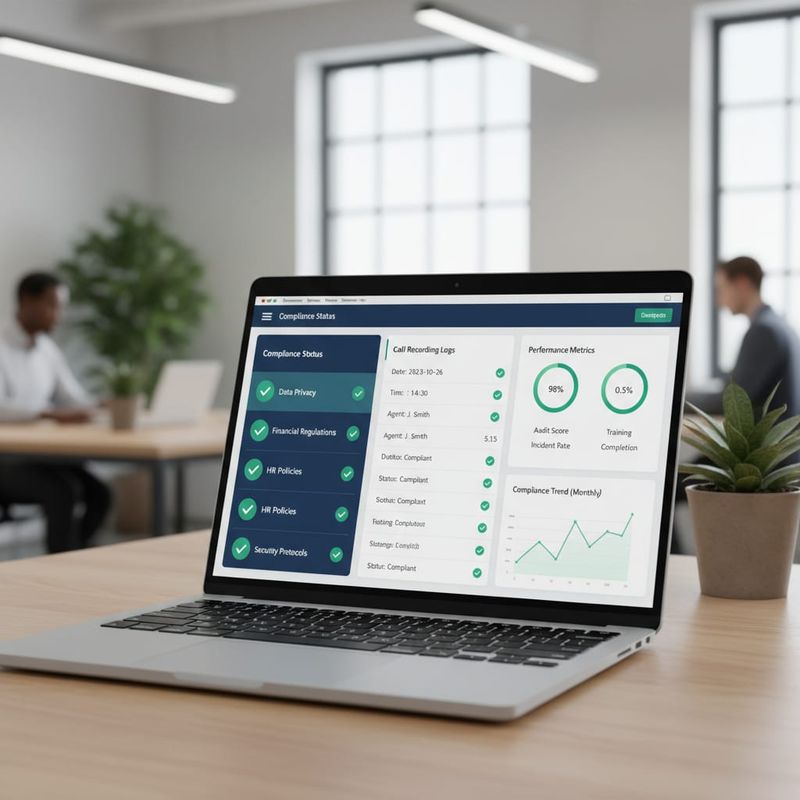
The FCC confirmed in 2024 that TCPA regulations apply to AI-generated voices. Rules tightened again in January 2025 with stronger opt-out tracking requirements. If you're running AI cold calling at any scale, four compliance metrics need to be actively monitored:
- Consent record retention: Prior express written consent must be stored and retrievable for 4 years. Every prospect you call needs a traceable consent log.
- Opt-out rate and processing time: What percentage of prospects are opting out, and how quickly are requests being honored? Best practice is within 10 business days. Immediate is better.
- Call recording retention: Most states require 1-2 years. Some require more. This isn't optional.
- AI disclosure rate: 100% of AI calls must identify as AI when asked. Track this in your system. Zero tolerance for failures here.
TopCalls handles consent tracking, opt-out logging, and call recording natively within the platform. See infrastructure and compliance details for the full technical picture.
Where These Metrics Fall Short
These 8 metrics work well for high-volume outbound targeting SMB and mid-market. Three situations where they're less useful:
- Enterprise accounts with 18-month sales cycles: Call-to-meeting conversion tells you almost nothing about revenue impact in long cycles. You need pipeline velocity and deal stage progression metrics instead.
- High-touch relationship selling: If your ICP is a C-suite executive who only takes calls from mutual connections, AI cold calling isn't the right channel and these metrics don't apply.
- Heavily regulated industries: Healthcare and financial services have compliance requirements that go beyond TCPA. Verify your legal posture before you dial.
Pick one metric from this list that your team isn't actively tracking today. Add it to your dashboard for 30 days.
Teams that add talk time ratio usually find their script is too pitch-heavy. Teams that start tracking cost per qualified meeting often realize they've been justifying headcount with the wrong numbers. Teams that add compliance score frequently find gaps they didn't know existed.
Book a call with our team and we'll pull these metrics from your actual campaign data. We'll run the numbers together.
Get AI calling tips in your inbox
No spam. One email per week with actionable sales automation tips.